Shophouse Transaction Volumes Fall to Near 30-Year Low Amid Weak Leasing Demand and Declining Rents
5 May 2026 · PropertySpy Research
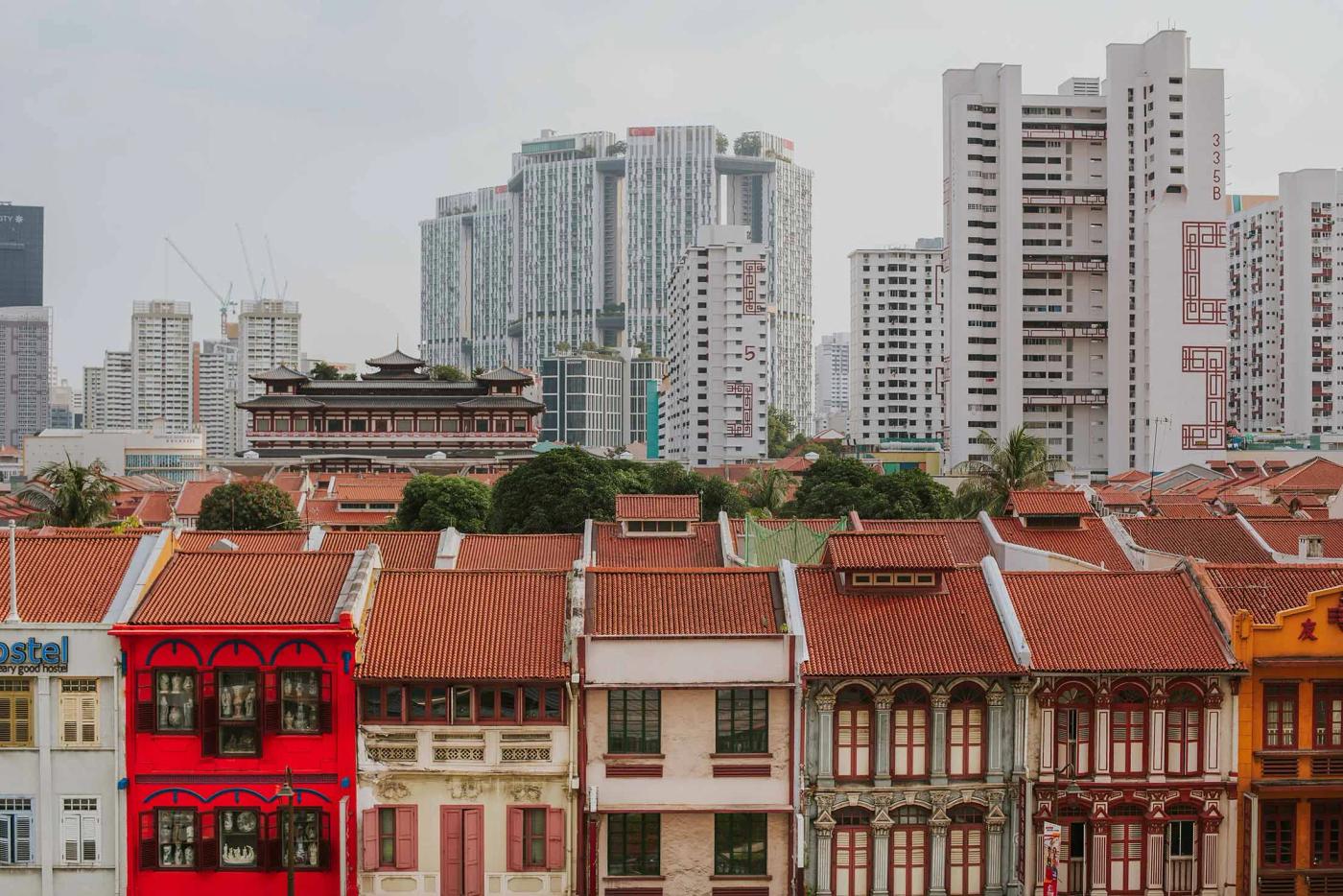
Image: PropTeam Research
Singapore’s shophouse market is experiencing a sharp slowdown, with transaction volumes falling to near three-decade lows amid weakening leasing demand and softer rental performance. Rising business costs, cautious investor sentiment, and challenges in the retail and F&B sectors have contributed to a more selective and price-sensitive market environment.
Singapore’s once red-hot shophouse market is showing clear signs of slowing, with transaction activity falling to one of its weakest levels in nearly three decades amid cautious investor sentiment and a challenging leasing environment.
According to recent market research, both sales volumes and rental activity for shophouses have softened significantly in recent quarters as rising business costs, weaker retail sentiment, and mounting pressures on the F&B sector weigh on occupier demand. Investors are also becoming increasingly selective due to elevated interest rates, tighter yields, and ongoing uncertainty surrounding the broader economic outlook.
The slowdown has been particularly evident in traditionally active conservation districts such as Kampong Glam and the city area, where transaction volumes have declined sharply from the highs seen during the post-pandemic recovery years. Market observers note that many buyers and sellers are currently facing a pricing disconnect, with owners holding firm on valuations while buyers adopt a more cautious stance amid softer rental performance.
Leasing activity has also weakened notably, recording some of the lowest levels seen in recent years. Rental contracts and overall rental values have declined as retailers and F&B operators grapple with rising manpower costs, thinner margins, and changing consumer spending patterns. The increasing competition from e-commerce and a higher rate of business closures have further added pressure to the retail leasing market.
Despite the softer market conditions, prime conservation shophouses in highly sought-after districts continue to attract long-term interest from wealthy families, private investors, and boutique commercial operators seeking rare heritage assets with limited supply. Market analysts believe well-located shophouses with strong frontage, long-term tenant appeal, and redevelopment or repositioning potential could continue to hold value over the longer term, even as overall transaction activity moderates.
Looking ahead, the shophouse market is expected to remain selective and price-sensitive, with investors focusing increasingly on asset quality, tenant resilience, and sustainable rental yields rather than aggressive capital appreciation.
Commercial & Shophouse Advisory
Evaluating commercial, strata office, or shophouse assets?
Related Market Insights
All News →
Get in touch
Interested in Singapore property?
Our team of CEA-registered agents are ready to help you buy, sell or lease.
Send us a message